2020
sugar rush
solidaridad southern africa
Thato Mpshe
Gamification Strategy · Message Architecture · Copywriting · Instructional Design · Visual Identity · Illustration
CONTEXT
South Africa’s smallholder sugarcane growers often rely on outdated farming techniques passed down through generations. Unfortunately, these familiar practices, like burning fields to remove excess vegetation, can be harmful to the environment. They can lead to soil degradation and reduce yields, affecting their productivity and livelihoods. When Solidaridad’s sugarcane team asked me to help them develop an interactive training tool that farmers could refer to from time to time, a board game felt like the natural answer. But staring at the multi-paged guide with technical tips and Good Agricultural Practice (GAP) training, the real question became:
“How do you compress multiple pages of technical training into a single board game without overwhelming the farmer?”
STRATEGY
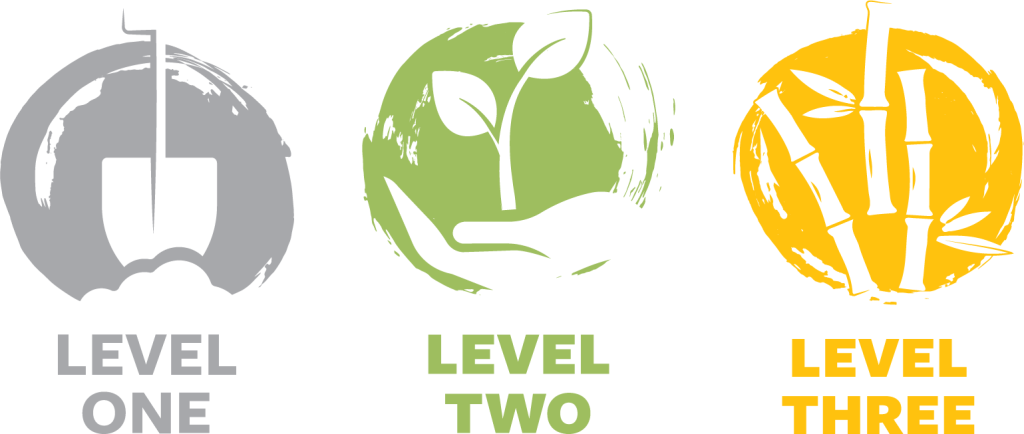
In the end, it was all a game of structuring. Once I simplified the technical guide, I noticed a pattern. The sugarcane growing cycle could be broken down into 3 key stages: Planting, Ratoon Management and Harvesting. These stages became the levels of the game, giving the growers a natural progression that mirrors real-life farming practices.
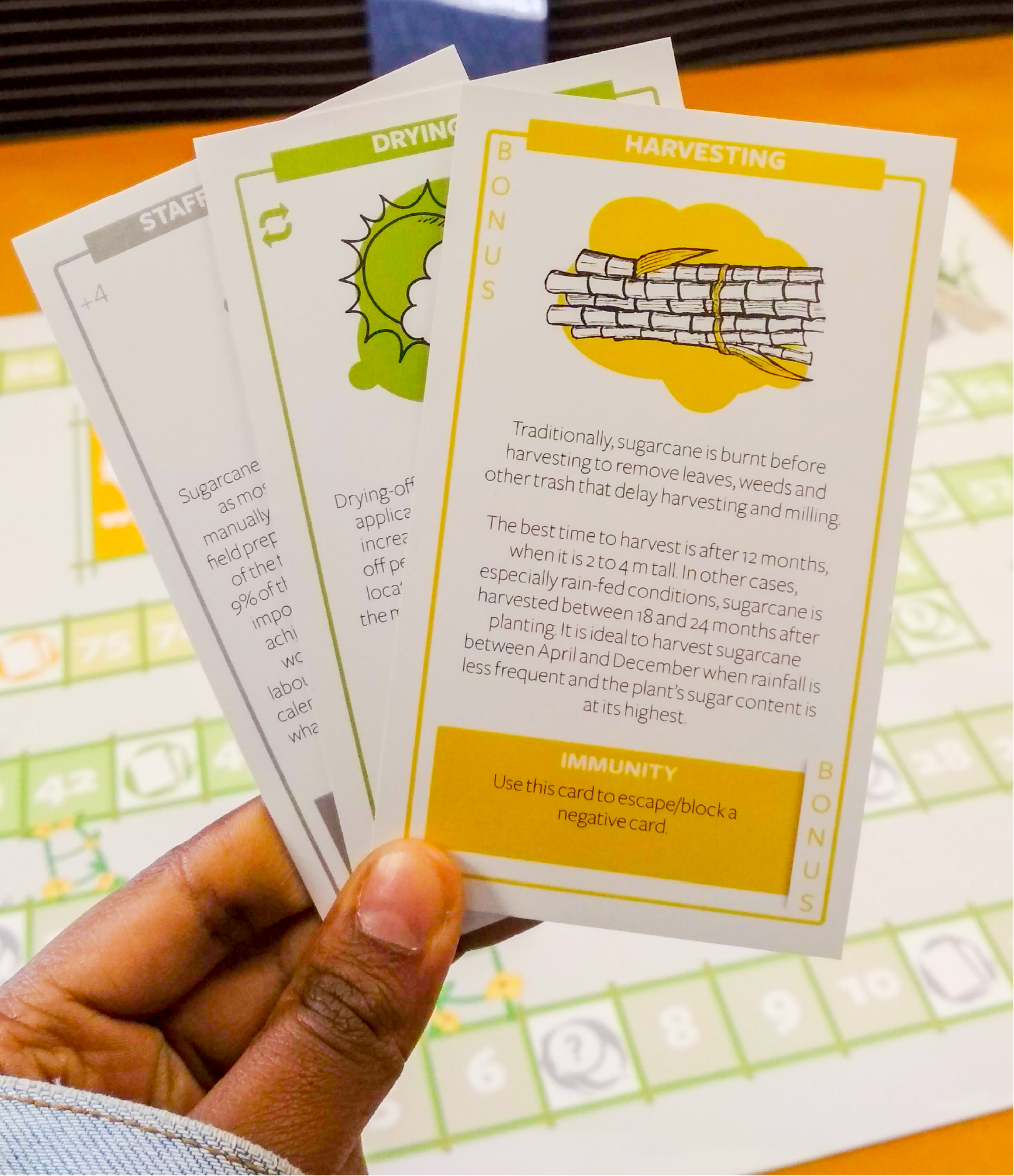
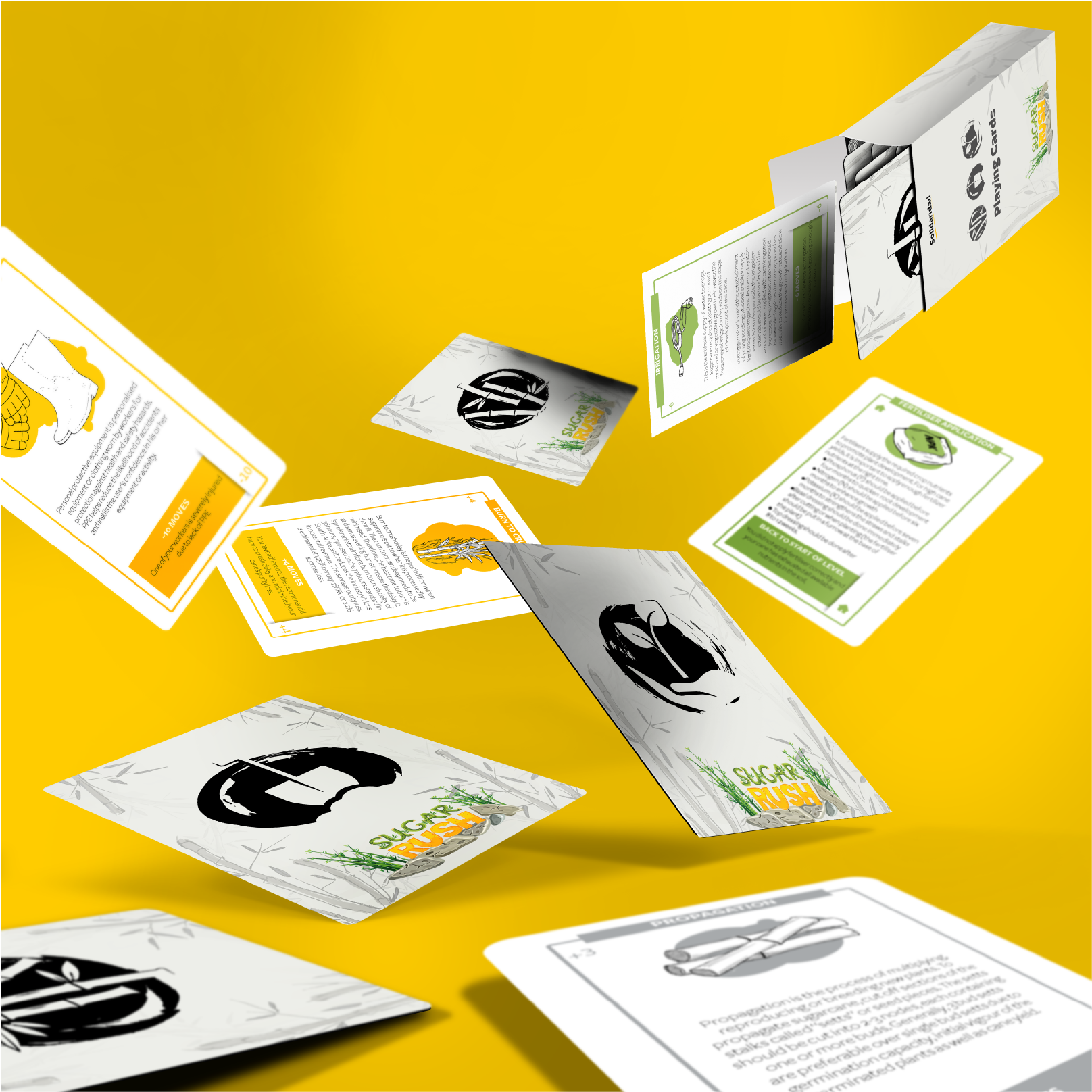
To make the lessons stick, I built the game around behavioural reinforcement principles, rewarding sustainable practices and penalising harmful choices. Each level came with a set of cards that paired information on key practices and a hypothetical scenario showing the result of either applying or ignoring the practice.
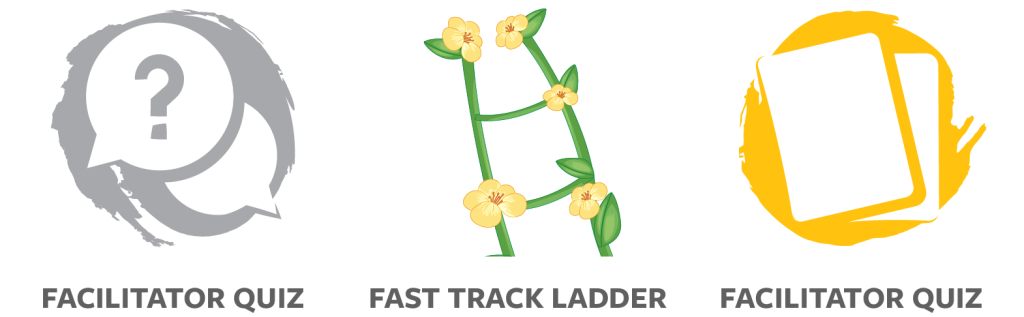
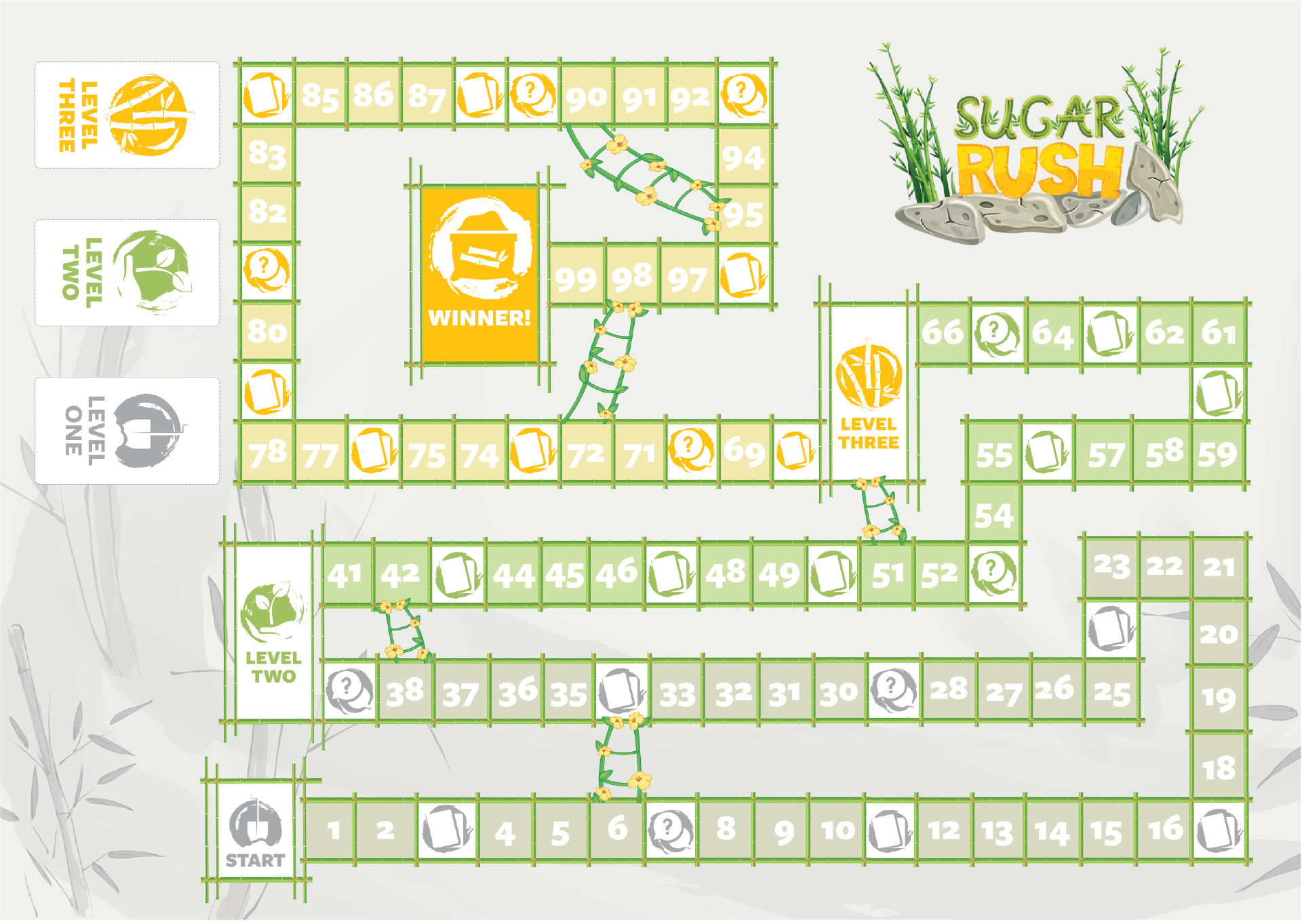
The board itself added more dynamics, using ladders to fast-track their progress and quiz blocks to test their knowledge on the spot. To keep the game engaging, I included bonuses like immunity cards and safe zones, making sure the learning felt playful.
OUTCOME
The game blends vibrant visuals with rewards, risks, and storytelling in a familiar “Snakes and Ladders” layout. This makes the game instantly accessible while giving farmers the chance to see and feel the consequences of their decisions in a safe and playful environment, long before they face them in the field.
The impact was tangible. The game didn’t just reframe Good Agricultural Practices from a technical checklist to a fun, interactive learning tool. It was a behavioural change tool. By the end of 2020, 534 lead farmers were trained, indirectly influencing over 4,000 cane growers from their associations to adopt sustainable practices and ultimately contributing to the sustainable management of over 5,000 hectares of land.